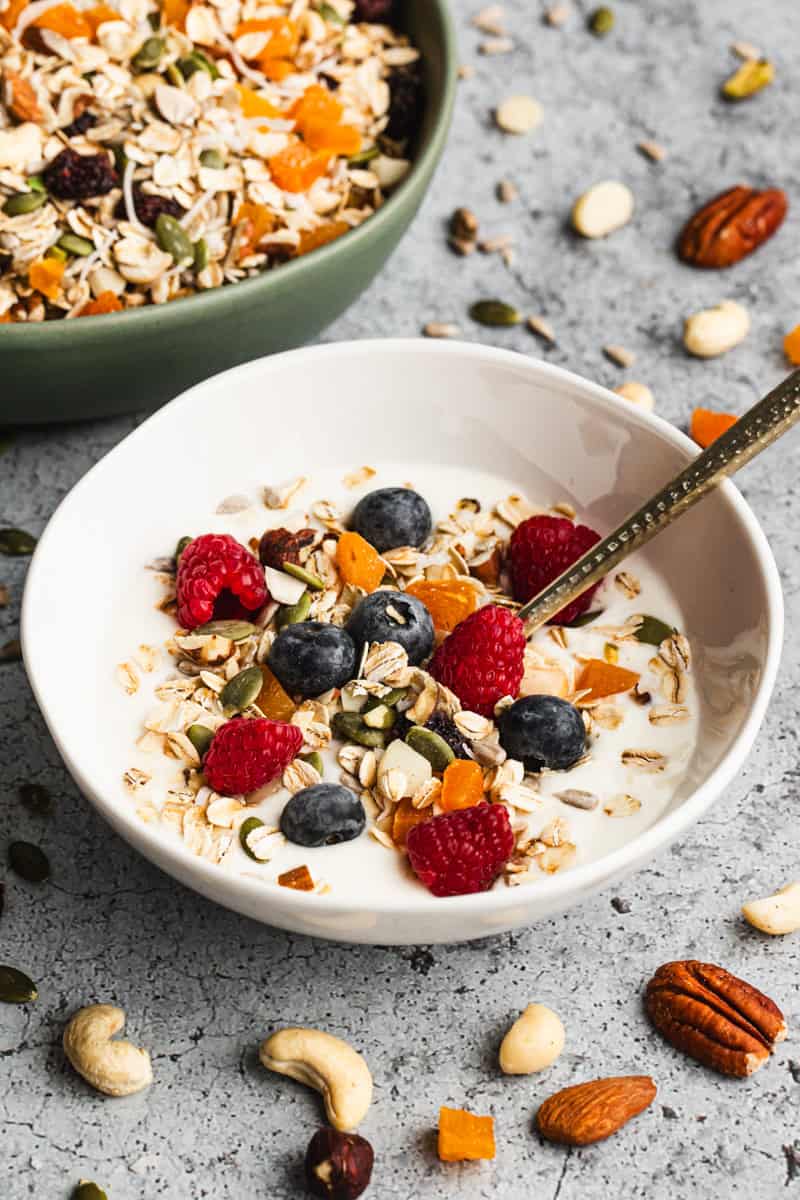
Make Muesli at Home: Easy Recipes for Any Breakfast Style
In the quest for a breakfast that's both delicious and genuinely good for you, muesli often emerges as a clear frontrunner. This versatile, nutrient-dense cereal, with its humble origins, has captivated health-conscious eaters worldwide. But why settle for commercial varieties when crafting your own homemade muesli is not only simple but also allows for endless customization? Dive into the wonderful world of muesli and discover how easy it is to create a breakfast that perfectly suits your taste and lifestyle.
What Exactly is Muesli? A Quick Dive into Its Roots
At its heart, muesli is an uncooked breakfast cereal typically composed of rolled oats mixed with an assortment of nuts, seeds, and dried or fresh fruits. Unlike its baked and often heavily sweetened cousin, granola, traditional muesli maintains a softer texture and boasts a naturally lower sugar content, solidifying its reputation as a remarkably wholesome option.
The story of muesli begins in Switzerland around 1900, credited to Swiss physician Maximilian Bircher-Benner. He developed it as a therapeutic food for patients at his Zurich sanatorium, inspired by the simple, raw dishes consumed by rural Swiss populations. Bircher-Benner’s revolutionary nutritional theories championed uncooked plant foods to promote digestive health and overall vitality. His original formulation was apple-centric and minimalist, a far cry from some of the complex concoctions we see today. To learn more about this fascinating origin, explore The Swiss Secret: Muesli's Origin as a Therapeutic Superfood.
The name itself, "muesli," is derived from Swiss German, a diminutive of "mues," meaning "mush" or "puree." The charming "-li" suffix adds a sense of smallness or endearment, perfectly reflecting the softened, blended consistency of the prepared dish. It's a term that evolved directly with the dish's development, speaking to its simple, wholesome nature.
Why Make Your Own Muesli? The Benefits of DIY
While store-bought muesli is readily available, the advantages of making your own at home are compelling:
- Unparalleled Customization: This is arguably the biggest draw. You have complete control over every ingredient. Love almonds but hate raisins? No problem! Need a gluten-free option? Simply choose certified gluten-free oats. Want to skip added sugars entirely? It’s your choice. This level of personalization is impossible with pre-packaged versions.
- Cost-Effectiveness: Buying individual bulk ingredients like oats, nuts, and seeds often proves more economical than purchasing pre-mixed bags of muesli, especially if you enjoy specialty or organic components.
- Superior Freshness & Quality: Homemade muesli uses ingredients that are as fresh as you buy them. You avoid preservatives, artificial flavors, and questionable additives often found in commercial products.
- Nutritional Powerhouse: By selecting high-quality components, you amplify the nutritional benefits. Rolled oats, a cornerstone of muesli, are rich in soluble fiber like beta-glucan, which studies link to improved cholesterol levels and sustained energy release. Nuts and seeds contribute healthy fats, protein, and essential micronutrients. Discover more about its health advantages in Muesli Benefits: More Than Just Oats, Healthier Than Granola.
- Perfect for Meal Prepping: A large batch of homemade muesli can be prepared in minutes and stored for weeks, providing a quick, healthy breakfast solution for busy mornings. It's an excellent way to "clean out the pantry" by using up leftover nuts, seeds, and dried fruits.
The Core Components of Homemade Muesli: A Blueprint for Success
Creating your perfect muesli blend involves selecting a base and then layering in a variety of complementary textures and flavors. Here's a breakdown of the key elements:
1. The Foundation: Rolled Oats (and Other Grains)
- Rolled Oats: The undisputed star. Opt for old-fashioned rolled oats for the best texture and nutritional profile. Quick oats can work in a pinch but might result in a mushier consistency when soaked.
- Other Grains (Optional): For added complexity and nutrition, consider incorporating a small amount of quinoa flakes, rye flakes, barley flakes, or even puffed rice.
2. Crunchy Goodness: Nuts
Nuts add healthy fats, protein, and a satisfying crunch. Consider a mix for varied flavors:
- Almonds (sliced, slivered, or chopped)
- Walnuts (chopped)
- Pecans
- Cashews
- Hazelnuts
- Pistachios
- Tip: Lightly toasting nuts before adding them can enhance their flavor profile.
3. Tiny Powerhouses: Seeds
Seeds are nutritional champions, packed with fiber, omega-3 fatty acids, and minerals:
- Chia seeds (excellent for thickening when soaked, high in omega-3s)
- Flax seeds (ground for better nutrient absorption)
- Pumpkin seeds (pepitas)
- Sunflower seeds
- Hemp seeds (hemp hearts)
4. Natural Sweetness & Chewiness: Dried Fruits
Dried fruits offer natural sweetness, chewiness, and a boost of antioxidants. Choose unsweetened varieties whenever possible:
- Raisins (sultanas, currants)
- Cranberries (check for added sugar)
- Apricots (chopped)
- Dates (pitted and chopped)
- Figs (chopped)
- Blueberries, cherries, goji berries
5. Flavor Enhancers & Optional Add-ins
- Spices: Cinnamon, nutmeg, cardamom, ginger – a pinch can elevate your muesli.
- Coconut: Shredded, flaked, or desiccated coconut adds a tropical note and healthy fats.
- Cacao Nibs: For a bitter chocolatey crunch and antioxidants.
- Protein Powder: For an extra protein boost, especially if you're active.
Master Recipe: Basic Homemade Muesli (The Foundation)
This is a highly adaptable blueprint. Feel free to adjust ratios based on your preference!
Ingredients:
- 2 cups old-fashioned rolled oats (gluten-free if desired)
- 1/2 cup mixed nuts (e.g., almonds, walnuts), roughly chopped
- 1/4 cup mixed seeds (e.g., pumpkin, sunflower, chia, flax)
- 1/2 cup dried fruit (e.g., raisins, chopped apricots, cranberries)
- 1/2 teaspoon ground cinnamon (optional)
- Pinch of salt (optional, helps enhance flavors)
Instructions:
- Combine Dry Ingredients: In a large bowl, combine the rolled oats, chopped nuts, seeds, cinnamon (if using), and salt (if using). Stir well to ensure everything is evenly distributed.
- Add Dried Fruit: Stir in the dried fruit. If your dried fruit is particularly sticky, you might want to chop it finely to prevent clumping.
- Store: Transfer your homemade muesli mix to an airtight container. Store it in a cool, dry place like your pantry. It will stay fresh for up to 1-2 months.
Customizing Your Muesli: Recipes for Every Taste and Breakfast Style
The beauty of homemade muesli lies in its incredible versatility. Here’s how you can prepare and enjoy your blend in different ways:
1. The Classic Bircher-Style Muesli (Overnight Soak)
This is the traditional method, yielding a creamy, soft, and incredibly flavorful breakfast.
- Preparation: In a jar or bowl, combine 1/2 cup of your muesli mix with 1/2 cup milk (dairy or non-dairy), yogurt, or fruit juice (apple juice is classic). Add 1/4 to 1/2 of a grated apple and a squeeze of lemon juice (optional, but authentic).
- Soak: Cover and refrigerate overnight (or for at least 4 hours).
- Serve: In the morning, stir well. Add a splash more milk/yogurt if desired for creaminess. Top with fresh berries, banana slices, or an extra sprinkle of nuts.
2. Warm & Cozy Muesli (Like Oatmeal)
Perfect for colder mornings when you crave something comforting.
- Stovetop: Combine 1/2 cup muesli mix with 1 cup milk or water in a small saucepan. Bring to a simmer over medium heat, then reduce heat to low and cook for 5-7 minutes, stirring occasionally, until thickened to your desired consistency.
- Microwave: Combine 1/2 cup muesli mix with 1 cup milk or water in a microwave-safe bowl. Microwave on high for 1-2 minutes, stir, then microwave for another 1-2 minutes until heated through and thickened.
- Serve: Top with a swirl of honey or maple syrup, fresh fruit, or a dollop of yogurt.
3. Quick & Crunchy Muesli (Cereal Style)
For those mornings when you're in a hurry and prefer a more immediate, classic cereal experience.
- Preparation: Simply pour 1/2 to 1 cup of your dry muesli mix into a bowl.
- Serve: Pour your preferred milk (dairy, almond, soy, oat) over the muesli. Enjoy immediately for maximum crunch, or let it sit for a few minutes for a slightly softer texture. Add fresh fruit on top if desired.
Themed Muesli Variations to Inspire You:
- Tropical Muesli: Add dried mango, pineapple, papaya, and plenty of coconut flakes. Serve with fresh passion fruit or kiwi.
- Berry Blast Muesli: Focus on dried cranberries, blueberries, and cherries in your mix. Serve with a generous handful of fresh mixed berries and a spoonful of chia seeds.
- Nutty Power Muesli: Increase the proportion of nuts and seeds in your dry mix. Consider adding a scoop of your favorite protein powder when preparing.
- Chocoholic Muesli: Stir in cacao nibs or dark chocolate chips to your dry mix. Delicious when prepared warm and topped with banana slices.
Tips for Storing and Serving Your Homemade Muesli
- Airtight is Key: Always store your dry muesli mix in an airtight container to maintain freshness and prevent ingredients from going stale. Glass jars or food-grade plastic containers work best.
- Cool & Dry: Keep your muesli in a cool, dark place like your pantry. Avoid direct sunlight or humid environments.
- Shelf Life: Properly stored, your homemade muesli should remain fresh for up to 2 months. The limiting factor is usually the freshness of nuts and seeds, which can become rancid over time.
- Experiment with Liquids: Don't limit yourself to just milk or yogurt. Try soaking your muesli in fruit juice (apple, orange), kefir, or even a blend of milk and water.
- Fresh Toppings Galore: While the dry mix is foundational, fresh toppings truly elevate the muesli experience. Think sliced bananas, berries, grated apple, pear, chopped kiwi, or a dollop of nut butter.
Making your own muesli at home is a rewarding culinary endeavor that brings countless benefits to your breakfast routine. From its humble Swiss origins as a therapeutic food to its modern-day status as a versatile, customizable, and nutrient-packed meal, muesli offers something for everyone. Whether you prefer it soft and creamy from an overnight soak, warm and comforting on a chilly morning, or quick and crunchy straight from the box, tailoring this breakfast classic to your personal taste is a simple pleasure. So, gather your favorite oats, nuts, seeds, and fruits, and embark on your journey to a more wholesome, delicious breakfast.
