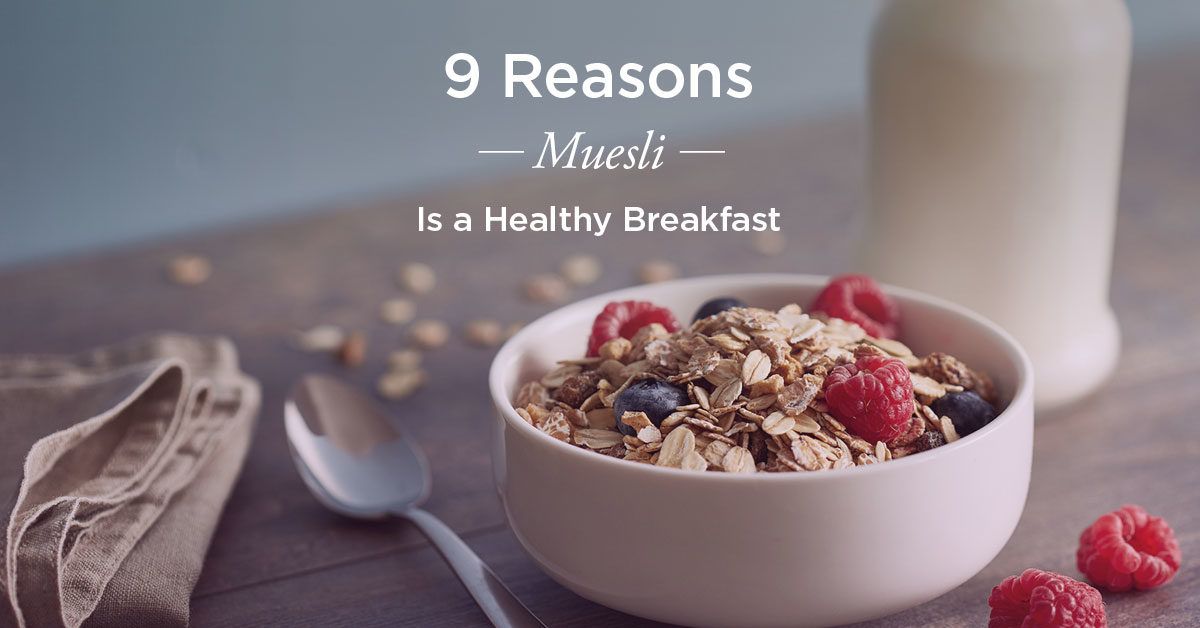
Muesli Benefits: More Than Just Oats, Healthier Than Granola
In the quest for a breakfast that fuels your body and satisfies your taste buds without compromising health, many find themselves sifting through countless options. While oatmeal offers comfort and granola promises crunch, there's a lesser-sung hero that often outperforms both: **muesli**. Originating from the pristine Swiss Alps, this wholesome blend of raw rolled oats, nuts, seeds, and fruits is far more than just "mixed oats"; it's a nutritional powerhouse and a deliciously versatile alternative that truly lives up to its healthy reputation, especially when compared to its often sugar-laden cousin, granola.
The Nutritional Powerhouse: Deconstructing Muesli's Ingredients
At its heart, muesli is a celebration of raw, unprocessed goodness. Conceived by Swiss physician Maximilian Bircher-Benner around 1900 as a therapeutic food, its original intent was to promote digestive health and vitality through uncooked plant foods. This foundational philosophy ensures that traditional muesli remains a beacon of nutrient density.
Oats: The Fiber-Rich Foundation
The primary component of muesli is rolled oats, and these aren't just any ordinary grain. Oats are an exceptional source of soluble fiber, particularly beta-glucan. Studies have consistently linked beta-glucan to impressive health benefits, including:
- Improved Cholesterol Levels: Beta-glucan helps reduce LDL (bad) cholesterol, contributing to better cardiovascular health.
- Sustained Energy Release: Its complex carbohydrate structure ensures a slow, steady release of glucose into the bloodstream, preventing energy spikes and crashes and keeping you full for longer.
- Digestive Health: The fiber content aids in regular bowel movements and supports a healthy gut microbiome, aligning perfectly with Bircher-Benner's initial vision.
Nuts & Seeds: Healthy Fats and Micronutrients
Beyond oats, muesli truly shines with its diverse inclusion of nuts and seeds. Common additions like almonds, walnuts, pecans, flax seeds, chia seeds, pumpkin seeds, and sunflower seeds each bring their unique profile of essential nutrients:
- Healthy Fats: Rich in monounsaturated and polyunsaturated fats, including omega-3 fatty acids, which are crucial for brain health and reducing inflammation.
- Protein Power: Nuts and seeds provide a plant-based protein boost, essential for muscle repair and satiety.
- Vitamins and Minerals: They are packed with vitamins like E and various B vitamins, along with vital minerals such as magnesium, zinc, iron, and selenium, supporting everything from energy production to immune function.
Dried & Fresh Fruits: Natural Sweetness and Antioxidants
Whether dried fruits like raisins, apricots, and cranberries, or fresh additions like grated apples (Bircher-Benner's original favorite), berries, or banana slices, fruits enhance muesli with natural sweetness and a spectrum of micronutrients. They contribute:
- Vitamins and Antioxidants: Boosting immunity and protecting cells from oxidative stress.
- Natural Sugars: Providing a healthy energy source without relying on refined sweeteners.
- Additional Fiber: Further supporting digestive health.
It’s important to note that while commercial varieties can vary, traditional muesli prioritizes whole, minimally processed fruits, ensuring you get the full benefits without excessive added sugars.
Muesli vs. Granola: A Clear Winner for Health-Conscious Eaters
Often confused, muesli and granola are distinct breakfast cereals with significant differences in preparation and nutritional profiles. While both typically contain oats, nuts, and fruits, their processing sets them worlds apart, positioning **muesli** as the undeniably healthier choice.
The Granola Conundrum: Baked, Bound, and Often Sweetened
Granola, in most commercial forms, is baked. This baking process usually involves binding the ingredients with oils (often vegetable or canola) and substantial amounts of sweeteners like honey, maple syrup, brown sugar, or corn syrup. The result is a delightfully crunchy texture, but often at a steep nutritional cost:
- High Added Sugar: A single serving of granola can contain as much sugar as a candy bar, leading to blood sugar spikes and contributing to excess calorie intake without much satiety.
- Increased Fat Content: The oils used in baking significantly increase the fat and calorie density, which, while not inherently bad, can easily lead to overconsumption.
- Processing: The baking process itself can diminish some heat-sensitive nutrients found in the raw ingredients.
Muesli's Advantage: Raw Purity and Control
Muesli, on the other hand, embraces its raw, uncooked nature. This fundamental difference gives it several distinct health advantages:
- Lower Added Sugar: Traditional muesli contains little to no added sugar. Its sweetness comes naturally from the dried or fresh fruits. This gives *you* complete control over any additional sweeteners, allowing you to choose healthier options or none at all.
- Softer Texture: Muesli is typically soaked before eating, resulting in a softer, more easily digestible texture compared to granola's crunch.
- Nutrient Integrity: By avoiding the baking process, the delicate vitamins, enzymes, and healthy fats in nuts, seeds, and fruits are better preserved.
- Greater Customization: Because muesli is prepared at home or comes in minimally processed blends, it offers unparalleled freedom to customize ingredients, ensuring you only consume what you want and need.
Beyond Breakfast Bowls: Creative Ways to Enjoy Your Muesli
One of muesli's most compelling attributes is its incredible versatility. Far from being a one-trick pony, it can be enjoyed in a myriad of ways, catering to different tastes and schedules.
The Classic Bircher-Benner Method: Overnight Soaking
The most traditional and perhaps most beneficial way to enjoy muesli is by soaking it overnight. Simply combine your muesli mix with milk (dairy or plant-based), yogurt, or even fruit juice in a jar or bowl and refrigerate. The liquid softens the oats and other ingredients, making them creamier and more digestible. This method also enhances the bioavailability of some nutrients. It's the ultimate grab-and-go breakfast for busy mornings, offering sustained energy without any morning prep fuss. To learn more about its fascinating origin, delve into
The Swiss Secret: Muesli's Origin as a Therapeutic Superfood.
Hot Muesli: A Warming Winter Treat
For those who prefer a warm start to their day, muesli can easily be prepared like oatmeal. Just add your muesli mix to a saucepan with milk or water and simmer gently until it reaches your desired consistency, or simply microwave it for a few minutes. This warm version offers the same comforting qualities as traditional porridge but with the added texture and nutritional boost from the nuts, seeds, and fruits already mixed in.
Muesli as an Ingredient: Smoothies, Parfaits, and Baking
Don't limit muesli to just a bowl! Its wholesome ingredients make it a fantastic addition to other dishes:
- Yogurt Parfaits: Layer muesli with yogurt and fresh fruit for a delightful, textured parfait.
- Smoothie Booster: Add a scoop of muesli to your morning smoothie for extra fiber, protein, and thickness.
- Baking Adventures: While less common for baked goods than granola, muesli can be incorporated into homemade energy bars, muffins, or even certain bread recipes for added texture and nutrition.
Crafting Your Perfect Muesli: Tips for Customization and Meal Prep
The beauty of muesli lies in its customizable nature. Whether you buy a commercial blend or mix your own, you have the power to tailor it exactly to your preferences and dietary needs.
Tips for Customization
- Start with Quality Oats: Opt for traditional rolled oats or jumbo oats for the best texture and nutritional profile.
- Variety of Nuts & Seeds: Don't stick to just one! A mix of almonds, walnuts, cashews, flax seeds, chia seeds, and sunflower seeds offers a wider array of nutrients and flavors.
- Fruit Choices: Experiment with different dried fruits like raisins, dates, figs, dried cranberries, or go for fresh fruits like grated apple, berries, or banana slices.
- Spice it Up: A dash of cinnamon, nutmeg, cardamom, or even a pinch of ginger can elevate the flavor profile.
- Optional Boosters: Consider adding a scoop of protein powder, a spoonful of cocoa nibs, or a sprinkle of shredded coconut for extra flavor and function.
Meal Prep Made Easy
One of the greatest benefits of muesli is how easily it fits into a meal prep routine:
- Batch Preparation: Mix your dry ingredients (oats, nuts, seeds, dried fruits, spices) in a large batch and store it in an airtight container in your pantry. This blend will stay fresh for up to two months, ready for use whenever you need it.
- Overnight Jars: Prepare individual servings of overnight muesli in separate jars for the entire work week. Simply add your dry mix, liquid of choice, and any fresh fruit, then refrigerate. Grab one each morning for a fuss-free, healthy breakfast.
For detailed guidance on creating your own blends, explore easy-to-follow instructions in
Make Muesli at Home: Easy Recipes for Any Breakfast Style.
Conclusion
Muesli stands out as a genuinely superior choice in the world of breakfast cereals. Its heritage as a therapeutic food, its emphasis on raw, whole ingredients, and its lower sugar content position it as a healthier, more nutrient-dense option than most granolas. With its wealth of fiber, healthy fats, vitamins, and minerals, muesli offers sustained energy, supports digestive health, and aids in cholesterol management. Its incredible versatility, allowing it to be enjoyed hot, cold, soaked overnight, or as an ingredient, ensures it can fit seamlessly into any lifestyle. By embracing muesli, you're not just choosing a breakfast; you're choosing a foundation for better health and sustained well-being.