The Swiss Secret: Muesli's Origin as a Therapeutic Superfood
In the world of breakfast cereals, few boast a heritage as rich and intriguing as muesli. More than just a simple mixture of oats and dried fruit, muesli carries with it a fascinating tale of medical innovation, holistic health, and Swiss ingenuity. Far from being a mere convenience food, its roots trace back to the turn of the 20th century, conceived not in a factory, but in a sanatorium, as a powerful therapeutic tool aimed at restoring vitality and promoting digestive wellness.
Today, muesli is celebrated globally as a versatile, nutrient-dense breakfast option, enjoyed hot or cold, soaked overnight, or mixed fresh. But to truly appreciate this humble yet mighty superfood, we must journey back to its origins, uncovering the visionary doctor who first prescribed it, and the nutritional philosophy that continues to define its enduring appeal.
The Birth of a Therapeutic Superfood: Dr. Bircher-Benner's Vision
The story of muesli begins in the serene backdrop of Zurich, Switzerland, around the year 1900, with a pioneering physician named Dr. Maximilian Bircher-Benner (1867–1939). A man ahead of his time, Bircher-Benner was deeply committed to the idea that diet played a crucial role in healing and maintaining health. Dissatisfied with conventional medical practices, he established his own sanatorium, "Lebendige Kraft" (Living Strength), where he focused on a holistic approach to patient care, with nutrition at its core.
Dr. Bircher-Benner’s nutritional theories emphasized the consumption of uncooked, plant-based foods, believing that raw ingredients retained vital "solar energy" that was lost during cooking. He observed the robust health and simple, yet nutritious, diets of rural Swiss populations, who often consumed dishes centered around grains, fruits, and dairy. Inspired by these observations, he developed a unique dish he initially called "d'Spys" (Swiss German for "the dish" or "the food") to nourish his patients. This dish, later named Birchermüesli after himself, was a cornerstone of his therapeutic regimen.
His original formulation was quite specific: grated apple (a core component), rolled oats soaked in water, condensed milk, lemon juice, and ground nuts. It was served as an appetizer, intended to promote digestive health, provide sustained energy, and contribute to overall vitality. This therapeutic creation laid the groundwork for the modern muesli we know today, emphasizing natural, unprocessed ingredients as a pathway to wellness.
What Exactly is Muesli? Unpacking its Core Components
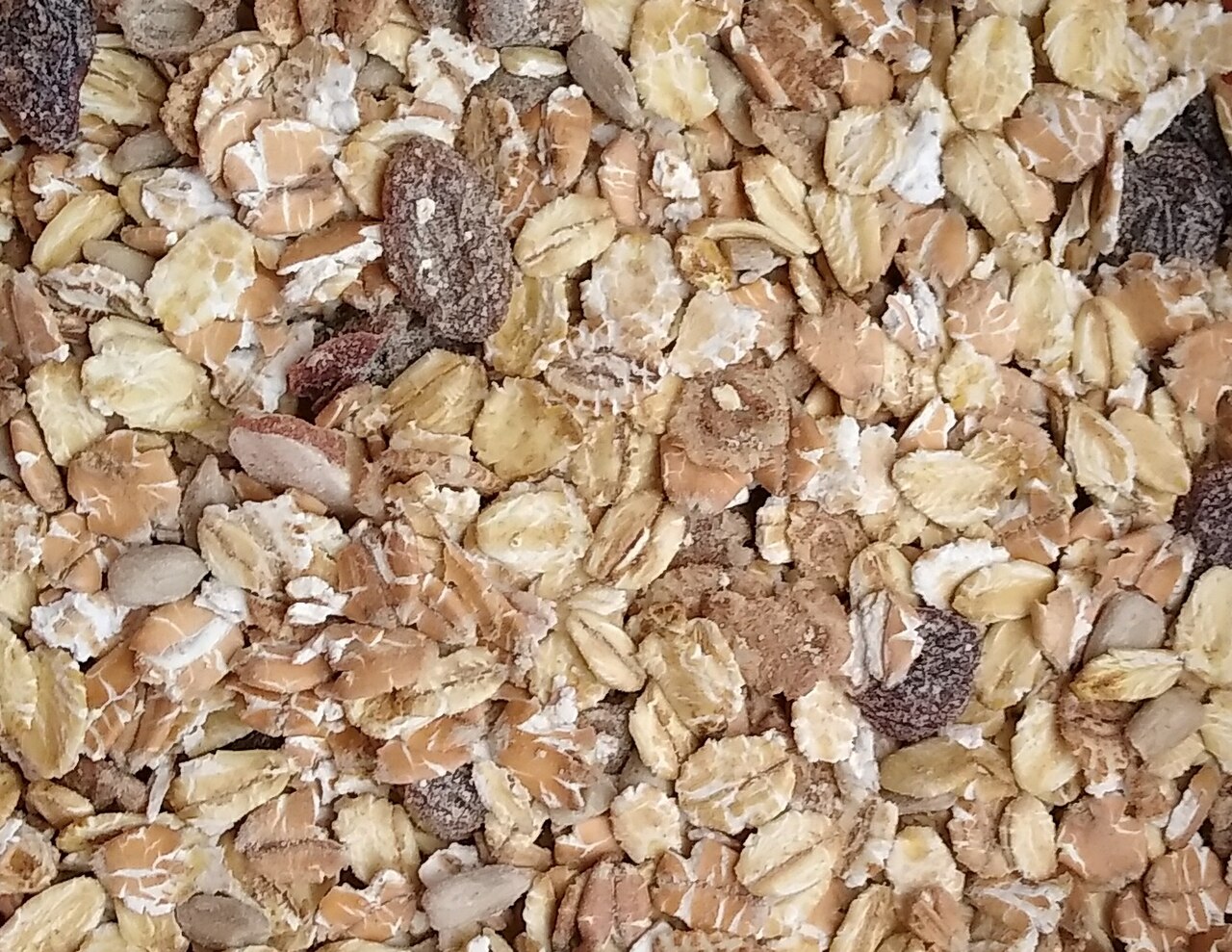
At its heart, muesli is an uncooked breakfast cereal typically composed of rolled oats mixed with a variety of other wholesome ingredients. These often include nuts (such as almonds, walnuts, or hazelnuts), seeds (like flax, chia, or pumpkin seeds), dried fruits (raisins, cranberries, apricots), and sometimes other grains or even fresh fruits. The beauty of muesli lies in its simplicity and versatility.
One of the key distinctions that sets muesli apart, particularly from its cousin granola, is its preparation method and texture. While granola is typically baked with oil and sweeteners, resulting in a crispy, often clumped texture, traditional muesli remains uncooked. This preserves its natural, softer texture and generally results in a significantly lower added sugar content, especially in its authentic forms. This difference is crucial for those seeking a healthier, less processed breakfast option.
Muesli can be enjoyed in various ways:
- Cold with Milk or Yogurt: A quick and easy option, much like traditional cereal.
- Hot: Prepared like oatmeal, by cooking it briefly with water or milk.
- Overnight Soaked Muesli: Perhaps the most popular method, where the muesli is soaked overnight in milk, yogurt, or fruit juice. This softens the oats and other ingredients, making them more digestible and creating a creamy, pudding-like consistency.
From a nutritional standpoint, muesli is a powerhouse. Rolled oats, its primary ingredient, are a fantastic source of soluble fiber, particularly beta-glucan. Studies consistently link beta-glucan to numerous health benefits, including improved cholesterol levels, better blood sugar control, and prolonged satiety, which aids in weight management. The addition of nuts and seeds provides healthy fats, protein, and micronutrients, while fruits contribute vitamins, minerals, and natural sweetness. To delve deeper into its nutritional advantages and how it stacks up against other breakfast choices, explore Muesli Benefits: More Than Just Oats, Healthier Than Granola.
The Etymology of 'Muesli': A Linguistic Journey
The name "muesli" itself offers a charming glimpse into its Swiss origins. The term originates from Swiss German, where it is a diminutive of "mues," meaning "mush," "purée," or "mashed dish." The suffix "-li" is a common diminutive ending in Alemannic dialects, prevalent in German-speaking Switzerland, imparting a sense of smallness, endearment, or a softened quality to the base noun. Thus, "muesli" charmingly translates to "little mush" or "little purée," perfectly reflecting the dish's soaked, blended, and softened consistency.
While Dr. Bircher-Benner initially referred to his creation as "d'Spys," the descriptive label "Birchermüesli" soon took hold, acknowledging his role in its development. The abbreviated "müesli" (or "muesli" in its anglicized form) entered broader German and international vocabulary by the 1920s, coinciding with the dish's burgeoning popularity beyond therapeutic settings. It's important to note that despite its venerable feel, the term "muesli" does not possess ancient roots; its linguistic form emerged in the early 20th century, directly tied to the dish's creation rather than pre-modern usage.
The linguistic lineage traces "mues" back to Middle High German "mūs" and ultimately Old High German "muos," both signifying a soft, meal-like substance or purée. This evolution highlights a specific regional adaptation in Alemannic Switzerland, distinct from how Standard German might refer to a generic porridge, emphasizing the blended oat-based nature of Bircher-Benner's specific invention.
Muesli's Evolution and Modern Appeal
After its quiet beginnings in a Swiss sanatorium, muesli steadily gained traction, particularly post-World War II, as global interest in healthy eating and wholesome foods grew. Commercial varieties began to proliferate, adapting Bircher-Benner's original recipe with varying additions of sweeteners, dried fruits, and sometimes even toasted grains. While these commercial adaptations made muesli widely accessible, they also sparked debates among purists regarding deviations from the authentic, minimalist, apple-centric formulation of Dr. Bircher-Benner.
Today, muesli stands as a testament to the enduring power of simple, natural ingredients. Its appeal has only strengthened in an era focused on plant-based diets, whole foods, and mindful eating. Modern consumers appreciate its versatility, its ability to be customized to individual tastes and dietary needs, and its convenience for meal prepping. For instance, a batch of homemade muesli can be prepared in advance and stored for weeks, making healthy breakfasts a breeze.
Making your own muesli at home is incredibly straightforward and allows for endless creativity. You can mix and match your favorite rolled oats, nuts, seeds, and dried or fresh fruits. Consider adding a pinch of cinnamon or cardamom for extra flavor, or protein powder for an added boost. Whether you prefer it hot like a hearty oatmeal, cold and crunchy with milk, or creamy after an overnight soak, homemade muesli offers a delicious and nutritious start to your day. To get started with your own delicious creations, check out Make Muesli at Home: Easy Recipes for Any Breakfast Style.
Conclusion
From its humble beginnings as a therapeutic food prescribed by a visionary Swiss physician, muesli has journeyed far to become a beloved global breakfast staple. Dr. Bircher-Benner's commitment to raw, plant-based nutrition and digestive health laid the foundation for a superfood that continues to embody wellness and vitality. Its simple composition of rolled oats, nuts, seeds, and fruits offers a wealth of nutritional benefits, distinguishing it as a healthier, less processed alternative to many commercial cereals.
The story of muesli is more than just about breakfast; it's a testament to the timeless wisdom of eating whole, unprocessed foods. Whether you're savoring a traditional Birchermüesli or a customized homemade blend, each spoonful connects you to a rich history of health, healing, and the pure, nourishing power of nature's finest ingredients.
